Personal Finance & Career: A Guide to Money and Professional Growth

Building a good life is not only about earning more money or getting a better job. It also requires understanding how to manage money, develop useful skills, make career decisions, and plan for the future.
Personal Finance & Career are closely connected. Your career affects your income, while your financial decisions affect the opportunities you can take throughout your career. A person with good money management skills may have more flexibility to learn new skills, change careers, start a business, or handle unexpected expenses.
Understanding both areas can help you make more practical decisions about work and money.
What Is Personal Finance & Career?
Personal finance is the management of your money. It includes income, expenses, saving, budgeting, investing, debt, and financial planning.
Career development is the process of building skills, gaining experience, finding suitable work, and progressing professionally.
When these two areas are considered together, Personal Finance & Career becomes a broader approach to building financial stability and professional growth.
Table of Contents
Why Personal Finance and Career Planning Matter
A career is one of the biggest factors affecting a person’s long-term financial situation. However, earning a higher income does not automatically create financial security.
For example, someone may receive a salary increase but also increase unnecessary spending. In that situation, higher income may not result in meaningful financial progress.
Similarly, choosing a career only because it currently pays well can create problems if the work does not match your abilities, interests, or long-term goals.
Good career planning and responsible personal finance should therefore work together.
The Connection Between Income and Career Growth
Your earning potential generally depends on the value you can provide through your skills, experience, and knowledge.
Build Valuable Skills
Skills can increase your professional opportunities. Depending on your field, useful skills may include:
- Communication
- Problem-solving
- Digital skills
- Data analysis
- Sales
- Marketing
- Programming
- Project management
- Leadership
The important point is to develop skills that have practical value rather than collecting certificates without building actual ability.
Gain Practical Experience
Experience demonstrates that you can apply your knowledge to real situations.
Students and beginners can start with personal projects, internships, freelance work, volunteering, or practical assignments.
A strong portfolio can sometimes communicate ability more effectively than a list of courses.
Keep Learning
The job market changes over time. New technologies, business models, and working methods can create demand for different skills.
Continuous learning is therefore an important part of career development.
Personal Finance Basics
Good career development becomes more useful when income is managed properly.
Create a Budget
A budget gives you a clear picture of where your money goes.
A simple budget can divide money into categories such as:
- Essential expenses
- Savings
- Education and skill development
- Personal spending
- Long-term financial goals
The exact percentages will vary according to income and circumstances.
Build an Emergency Fund
Unexpected expenses can create financial pressure when there are no savings available.
An emergency fund can provide a financial buffer for situations such as sudden expenses, temporary income disruption, or urgent needs.
The appropriate amount depends on your circumstances, income stability, and essential monthly expenses.
Avoid Unnecessary Debt
Debt is not always harmful, but expensive or poorly managed debt can reduce financial flexibility.
Before borrowing money, understand the interest rate, repayment period, total cost, and whether the purchase is genuinely necessary.
How Career Decisions Affect Personal Finance
Career decisions can have financial consequences beyond the monthly salary.
For example, changing careers may require education or training expenses. Relocating for a job may increase housing and transportation costs. A freelance career may provide flexibility but also involve variable income.
This is why career planning should consider both professional and financial factors.
Compare More Than Salary
When evaluating a job or career opportunity, consider:
- Salary
- Skill development
- Work experience
- Career progression
- Location
- Working hours
- Stability
- Learning opportunities
- Future earning potential
A higher salary is only one part of the overall picture.
Career Development for Students
Students have an important advantage: time.
Instead of focusing only on getting a job quickly, students can use their early years to build a strong foundation.
Learn One Useful Skill
Trying to learn everything at once often produces shallow knowledge.
Choose a useful skill, learn its fundamentals, and practice it through real projects.
Build a Portfolio
A portfolio provides evidence of what you can actually do.
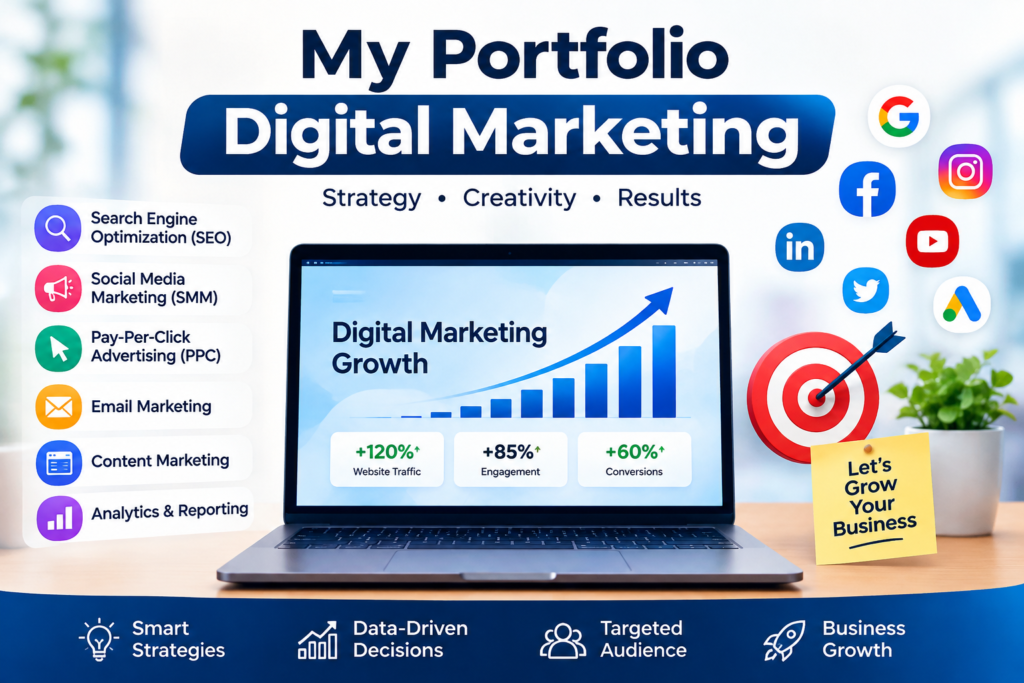
For example, someone learning digital marketing could create a sample marketing campaign, build a website, analyze a business, or develop a social media strategy.
Develop Communication Skills
Technical ability alone is not always enough.
Being able to explain ideas clearly, write professionally, communicate with clients, and work with other people can improve career opportunities.
Common Personal Finance Mistakes
Spending Everything You Earn
Increasing expenses whenever income increases can prevent savings from growing.
Ignoring Small Expenses
Small recurring expenses can become significant when they happen frequently.
Chasing Quick Money
Short-term opportunities can look attractive, but sustainable financial progress usually requires useful skills, disciplined money management, and patience.
Not Planning for the Future
Only thinking about today’s income can make long-term goals difficult to achieve.
Financial planning should consider future education, career changes, major purchases, emergencies, and other important goals.
How to Create a Personal Finance & Career Plan
A practical plan does not need to be complicated.
Step 1: Understand Your Current Situation
Write down your current income, expenses, skills, education, experience, and financial responsibilities.
Step 2: Define Your Career Direction
Identify the type of work you want to explore and the skills required for it.
Step 3: Set Financial Goals
Create specific goals such as building savings, paying off debt, funding education, or preparing for future expenses.
Step 4: Develop Skills
Spend consistent time improving skills that can increase your professional value.
Step 5: Review Your Progress
Review your career and finances regularly. If something is not working, change the plan rather than continuing automatically.
Frequently Asked Questions
What is Personal Finance & Career?
Personal Finance & Career refers to managing personal money while developing a sustainable professional path. It combines financial planning, money management, skill development, and career planning.
Why is personal finance important for career development?
Good financial management can provide greater flexibility. Savings can make it easier to handle career transitions, education expenses, relocation, or periods of lower income.
What is the most important career skill?
There is no single skill that is best for every career. Communication, problem-solving, adaptability, and field-specific technical skills can all be valuable depending on the profession.
How can students start career planning?
Students can begin by exploring different careers, identifying required skills, completing practical projects, gaining experience, and speaking with people working in fields they are considering.
How can I improve my personal finances?
Start by understanding your income and expenses, creating a realistic budget, building savings, managing debt carefully, and setting clear financial goals.
Is a high salary enough for financial success?
No. Income is only one part of financial health. Spending habits, savings, debt, financial decisions, and long-term planning also matter.
Should I focus on career or personal finance first?
They should not be treated as completely separate priorities. Developing earning ability while learning responsible money management creates a stronger foundation for long-term financial stability.
Conclusion
Personal Finance & Career are two connected parts of long-term life planning. A career can determine your earning opportunities, while financial habits determine how effectively you use the money you earn.
The practical approach is straightforward: develop valuable skills, gain real experience, manage expenses, build savings, avoid unnecessary financial risks, and regularly review your career direction.
You do not need to have your entire future figured out at once. What matters is building useful skills and making increasingly informed decisions about both your career development and personal finance.